

Furnaces
Powerful, reliable whole-home heating for Bay Area families
How Does a Furnace Work?
When your thermostat calls for heat, the furnace warms air and the blower sends it through your ducts. Here are the main parts of that cycle.
🔥
Gas Combustion
The gas valve opens and an igniter lights the burners. Exhaust gases vent outdoors while the furnace heats the air safely.
♨️
Heat Exchanger
The heat exchanger transfers warmth from combustion gases to indoor air while keeping the two air streams separate. A damaged heat exchanger needs prompt professional attention.
🌀
Blower Motor
The blower moves return air across the heat exchanger and sends warm air back through your home. Variable-speed blowers can run more quietly and evenly.
🛠
Ductwork Distribution
Supply ducts deliver warm air to rooms, while return ducts carry cooler air back to the furnace. Well-sealed ducts help keep temperatures even and reduce waste.
Benefits of a Furnace
Furnaces remain one of the most trusted heating solutions for homes across the country. Here is why millions of homeowners rely on furnace heating.
💪
Powerful Heating Output
Gas furnaces deliver strong, fast heat that can warm a home quickly.
🛡️
Proven Reliability
A well-maintained furnace can provide dependable heat for many years.
⚡
Rapid Warmth Delivery
A furnace starts delivering warm air soon after the thermostat calls for heat.
🌍
Works in All Climates
Gas furnaces maintain heating output even when outdoor temperatures fall.
⏳
Long Lifespan
A gas furnace often lasts 15 to 20 years with proper care. Annual maintenance helps protect its performance.
💰
Cost-Effective Operation
Operating cost depends on local gas and electricity rates, equipment efficiency and how often you heat your home. We can compare options for your situation.
Types of Furnaces
Choosing the right furnace depends on your home’s size, your budget, your comfort preferences, and your energy goals. Here are the main types of furnaces available today.
Single-Stage Furnace
A single-stage furnace runs at full output whenever heat is needed. It generally costs less upfront, but can create more temperature swings and noise.
Two-Stage Furnace
A two-stage furnace uses a lower setting most of the time and full output when needed. It offers steadier temperatures and quieter operation for a higher upfront cost.
Modulating Furnace
A modulating furnace adjusts heat and airflow in small steps for very even, quiet heating. It costs more upfront and has more complex controls.
Gas Furnaces vs. Electric Furnaces
Gas furnaces provide strong heat and need a gas connection and safe venting. Electric furnaces have simpler equipment and no combustion exhaust, but operating costs depend on electricity rates.
We can compare installation and energy costs for your home.
Understanding AFUE Ratings
AFUE shows what percentage of a furnace’s fuel becomes usable heat. A higher rating wastes less fuel, but the best choice depends on equipment price, installation and your heating use.
We can compare expected costs for standard and high-efficiency models.
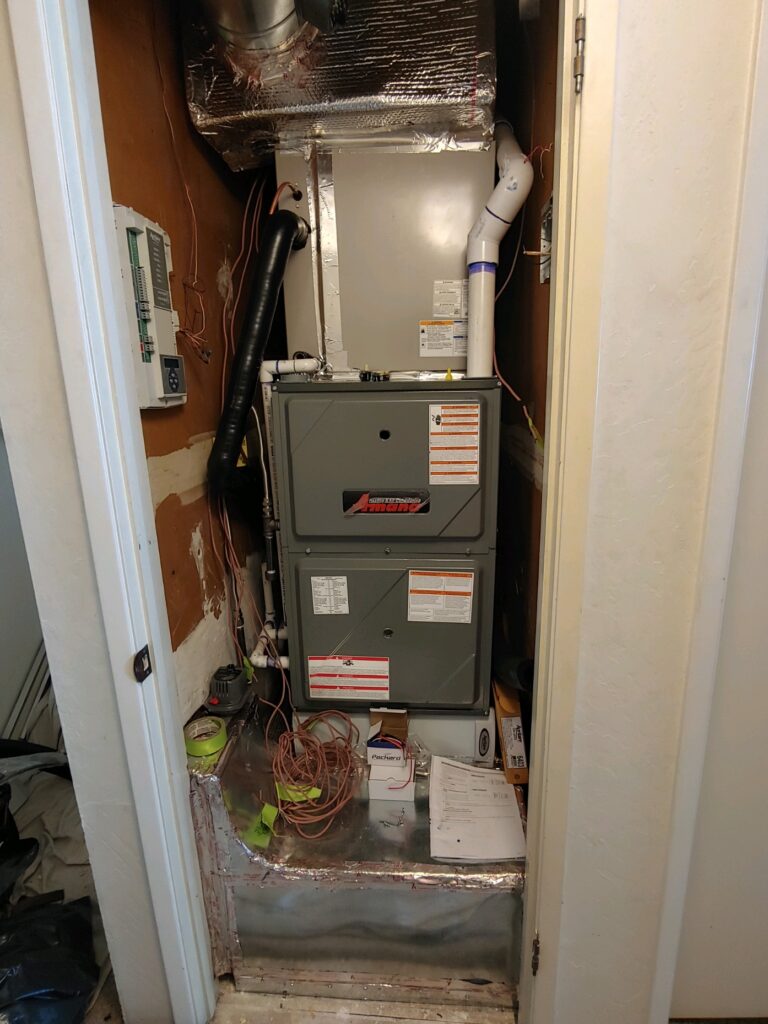
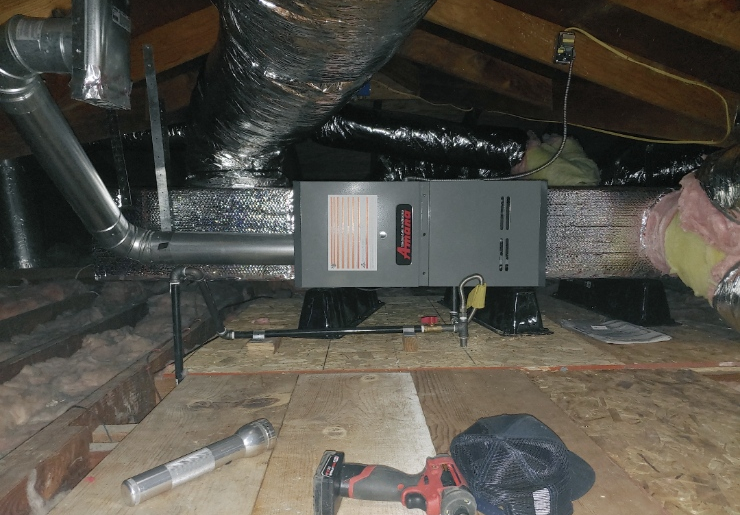
When to Replace Your Furnace
No furnace lasts forever. Recognizing the signs that your system is nearing the end of its useful life can save you from unexpected breakdowns and help you plan a replacement on your own terms.
📅
Age of Your Furnace
If your furnace is around 15 to 20 years old, it may be time to compare repair costs with a replacement.
🔧
Frequent Repairs
Repeated repairs can make replacement more economical. We can compare the cost of fixing your current furnace with a new system.
🌡️
Uneven Heating
Uneven room temperatures may point to airflow, ductwork or furnace problems. A diagnosis can show whether repair or replacement makes sense.
📈
Rising Energy Bills
Rising heating bills with similar usage can signal an efficiency problem. We can check the system and compare repair with replacement.
🔊
Unusual Noises or Odors
Unusual noises or burning odors need a professional check. If you smell gas, leave the area and call your gas utility or emergency services from a safe location.
🔥
Yellow or Flickering Burner Flame
A yellow or flickering burner flame may indicate a combustion problem. Turn the furnace off and have a qualified technician inspect it.
Why Choose Allison Air Comfort Solutions for Your Furnace?
Selecting the right HVAC contractor is just as important as selecting the right furnace. At Allison Air Comfort Solutions, we bring expertise, integrity, and a commitment to your long-term comfort to every furnace installation and repair project in the Bay Area.
- Licensed: California Contractor License #1149559.
- Proper sizing: We calculate your home’s heating needs before recommending equipment.
- Careful installation: We check airflow, venting and safety controls.
- Clear pricing: We provide a written estimate before work begins.
- Ongoing care: Maintenance helps catch problems early.
Ready for a New Furnace or Need a Repair?
Need furnace installation or repair? Call us for a recommendation tailored to your home and budget.